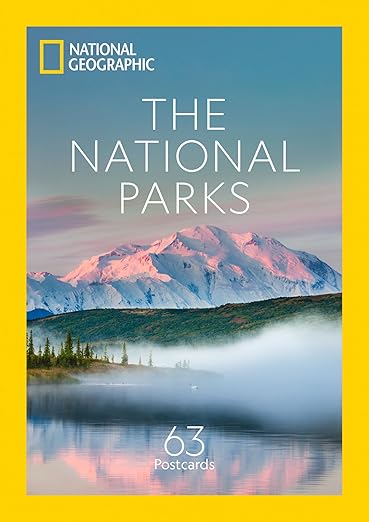
Some trips are about the destination. A road trip through the national parks is about both. The drive between parks — the open highway, the changing landscape, the sense of distance — is part of what makes this kind of trip worth remembering.
These five park-to-park routes are worth planning around. Each one connects two or more parks in a way that makes the whole greater than the sum of its parts.
1. Zion to Bryce Canyon, Utah

The Drive: About 90 minutes on Highway 89 through the red rock landscapes of southern Utah. The road itself is scenic, passing through small towns and desert terrain that sets the tone for both parks.
Why It Works: Zion and Bryce Canyon are dramatically different from each other despite being close together — Zion is all towering canyon walls and a river at the bottom, Bryce is an amphitheater of orange hoodoos above the treeline. Doing both in one trip gives you the full range of what southern Utah has to offer. Spring is ideal — Zion's canyon road is often open to private vehicles before shuttle season, and Bryce's hoodoos dusted with late snow against a blue sky is one of the finest sights in the American Southwest.
Pro Tip: Start with Zion and end with Bryce. The elevation gain means Bryce will be cooler, and the contrast between the two parks lands better in that order. Allow at least two days per park for a satisfying visit.
2. Great Smoky Mountains to Shenandoah via the Blue Ridge Parkway, Tennessee to Virginia

The Drive: The Blue Ridge Parkway runs 469 miles from the edge of Great Smoky Mountains National Park in North Carolina to Shenandoah National Park in Virginia — one of the most scenic roads in the United States.
Why It Works: This is the definitive eastern United States national park road trip. The parkway hugs the Appalachian ridgeline the entire way, with overlooks, hiking access, and small towns along the route. In spring, the wildflower season follows you north as you drive — blooms that are finishing in the Smokies are just beginning in Shenandoah when you arrive. It's a living, moving experience of spring moving through the mountains.
Pro Tip: The full parkway takes several days to drive properly — budget at least a week for the complete route with stops. If time is limited, drive the southern section near the Smokies or the northern section near Shenandoah, both of which are outstanding on their own.
3. Joshua Tree to Death Valley, California

The Drive: About three hours through the Mojave Desert on Highway 62 and then north through the high desert. The landscape shifts from the boulder fields and Joshua trees of the south to the vast, open expanses of Death Valley.
Why It Works: Two of the most otherworldly landscapes in North America, connected by a desert highway that's worth the drive on its own. Spring is the prime window — Joshua Tree's wildflowers can be at peak bloom in March and April, and Death Valley's famous superbloom, when it occurs, is one of the most remarkable natural events in the country. Even without a superbloom, the spring wildflowers across the valley floor make April one of the finest months to visit.
Pro Tip: Check bloom conditions at both parks before you go — the National Park Service posts regular wildflower updates during spring. Death Valley's roads can be rough in places; a vehicle with good clearance is helpful for exploring beyond the main routes.
4. Olympic to North Cascades, Washington

The Drive: From Olympic's eastern entrance near Port Angeles, the drive to North Cascades takes about three hours via Highway 20 — the North Cascades Highway, which is one of the most spectacular drives in the Pacific Northwest.
Why It Works: Olympic and North Cascades are two of the most undervisited major national parks in the country, and together they offer an extraordinary range of landscapes — temperate rainforest, wild Pacific coastline, glaciated mountain peaks, and river valleys carved by ice. Spring is when both parks begin to open up after winter, and the North Cascades Highway itself typically reopens in late March or April, making spring the natural time to make this drive.
Pro Tip: Check WSDOT for the current opening date of the North Cascades Highway before planning the trip — the exact date varies by year depending on snowpack. Seattle makes a natural starting or ending point, with good access to both parks.
5. Acadia to Cape Cod, New England

The Drive: From Acadia National Park in Maine, the drive south to Cape Cod National Seashore takes about four hours through coastal New England — past fishing villages, lighthouses, and stretches of Atlantic coastline.
Why It Works: Two of the finest coastal national park destinations on the East Coast, connected by a drive through some of the most characterful landscape in the country. Spring in both parks means minimal crowds, dramatic ocean conditions, and the kind of solitude that's almost impossible to find here in summer. Acadia's rugged Maine coast gives way to the gentler, wider beaches of Cape Cod — two distinct coastal experiences in one trip.
Pro Tip: Bar Harbor, the gateway town to Acadia, and Provincetown at the tip of Cape Cod are both worth spending time in. Spring shoulder season means better prices and availability at lodging in both towns. The drive between parks passes through Portsmouth, NH and Portland, ME — both good overnight stops.
Final Thoughts
The best road trips are the ones where the journey itself is part of the experience. Each of these routes delivers that — parks worth visiting on their own, connected by drives worth taking. Your America the Beautiful Pass covers entry at every national park on this list. Plan the route, pack the car, and go.