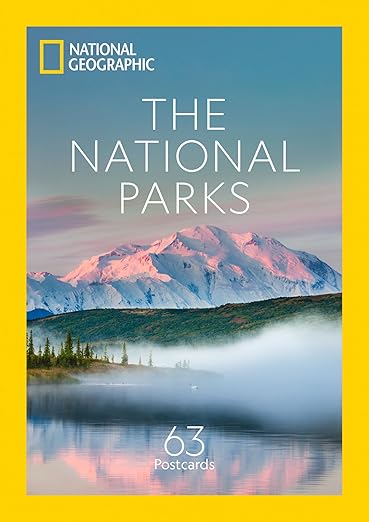
February is a secret season for wildlife lovers. The summer crowds are gone, the world is hushed, and animals that are often elusive are suddenly front and center. In winter, many species are more active during the day and gather in predictable places, offering some of the most rewarding and memorable wildlife encounters of the year.
We've selected five parks where the wildlife viewing in February is simply spectacular. This is your chance to see iconic animals in their stunning winter habitats.
1. Yellowstone National Park, Wyoming, Montana, Idaho

Why it's great in February: The stark, snowy landscape makes wildlife incredibly easy to spot. The contrast of a pack of wolves or a herd of bison against the white snow is a sight you'll never forget. With fewer visitors, the park is quiet, and the animals are the stars of the show.
What to See: The Lamar Valley is world-famous for wolf watching. Look for bison, their coats frosted with ice, foraging for food near the park's geothermal features. Keep an eye out for coyotes, foxes, and trumpeter swans along the rivers.
Pro Tip: Most of the park's roads are closed to cars. The best way to explore is by booking a snowcoach or snowmobile tour from the north entrance. These guided trips will take you to the best wildlife hotspots in the park's interior.
2. Everglades National Park, Florida

Why it's great in February: February is the peak of the dry season in the Everglades. As water levels drop, wildlife congregates around the remaining water sources, making for incredible, concentrated viewing. It's less a matter of if you'll see wildlife, and more a matter of how much.
What to See: Alligators are everywhere, basking in the sun to stay warm. The Anhinga Trail is a world-renowned hotspot for wading birds like herons, egrets, and the distinctive anhinga itself. Look for turtles and fish in the clear water.
Pro Tip: Rent a kayak or take a guided boat tour to explore the mangrove estuaries and see wildlife from a different perspective. The Shark Valley Tram Tour is another excellent way to see a huge variety of animals with an expert guide.
3. Point Reyes National Seashore, California

Why it's great in February: February is the heart of two major wildlife events at Point Reyes. It's the peak of the northern elephant seal breeding season, and it's also a prime time to spot migrating gray whales from the coast.
What to See: Head to the Elephant Seal Overlook at Chimney Rock to see massive colonies of elephant seals, with bulls battling for dominance and pups being born. From the historic Point Reyes Lighthouse, scan the horizon for the spouts of gray whales on their journey from Mexico to Alaska.
Pro Tip: The park can be very popular on weekends. Plan to arrive early to get a parking spot, especially at the lighthouse and Chimney Rock. Bring binoculars for a closer look at the whales and seals.
4. National Elk Refuge, Wyoming

Why it's great in February: Just south of Grand Teton National Park, the National Elk Refuge is the winter home for thousands of elk from the Jackson herd. It's one of the largest and most impressive gatherings of elk in the world.
What to See: The main attraction is the massive herd of elk, spread across the valley floor. You can also spot bison, bighorn sheep on the surrounding hills, and bald eagles and coyotes, which are drawn by the concentration of animals.
Pro Tip: The best way to experience the refuge is by taking a horse-drawn sleigh ride. These sleighs take you right into the heart of the herd, offering an incredibly close and magical perspective on these magnificent animals.
5. Rocky Mountain National Park, Colorado

Why it's great in February: While the high country is buried in snow, the lower-elevation meadows and valleys on the east side of the park become a winter haven for wildlife. The animals are easier to spot against the snow, and the scenic backdrop of the snow-covered peaks is breathtaking.
What to See: Look for large herds of elk grazing in Moraine Park and Horseshoe Park. Bighorn sheep are often seen along the cliffs in the Big Thompson Canyon on the drive into the park. Keep an eye out for mule deer and coyotes as well.
Pro Tip: Drive the roads in the lower valleys in the early morning or late afternoon, as this is when the animals are most active. Stay in your vehicle to act as a natural blind, allowing you to observe the animals without disturbing them.
Final Thoughts
Winter offers a unique and intimate window into the lives of the animals that call our national parks home. It's a time for patience, for quiet observation, and for profound connection. Grab your America the Beautiful Pass and your binoculars, and go witness the wild side of winter.